method

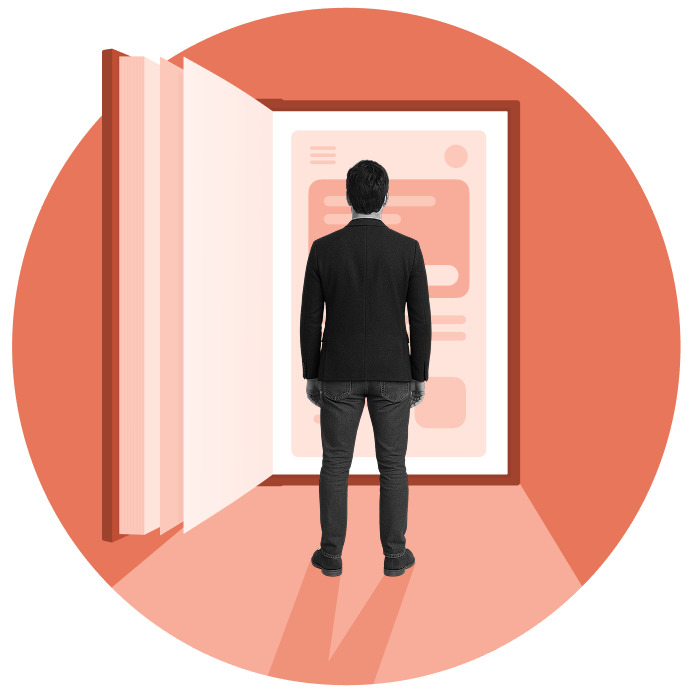
Design is Storytelling

Before I designed products, I studied film — learning to balance creative and commercial goals, while still delivering an impactful experience. That discipline stayed with me and shaped how I think about design.

Every product needs a story to inform strategy, guide decisions, and help build an experience that truly resonates. This method helps me find it, shape it, and bring it to life through design.
Character

Audience

Narrative

Aesthetic

Composition

If you want to understand how a lion hunts, don’t go to the zoo. Go to the jungle.

Jim Stengel

Former CMO at P&G

Audience

Who are we speaking to?

Every great story starts with knowing its audience. Understanding the people a product is made for — their goals, motivations, and challenges — creates the foundation for meaningful design. Not just as “users,” but as real humans with stories of their own.

Shaped by:

Conducting interviews to surface rich, qualitative insights

Gathering quantitative data to validate patterns and opportunities

Creating customer personas grounded in real-world behaviour

Building empathy maps from user mindsets and emotions

Distinguishing customer’s wants from their needs

Your brand is what other people say about you when you’re not in the room.

Jeff Bezos

Founder of Amazon

Character

Who are we?

Products are characters in their users’ stories. They need a clear identity, a purpose, and a point of view. Shaping a product’s voice and role in the user’s journey ensures that every decision reflects what the product stands for, how it behaves, and why it matters.

Shaped by:

  • Defining the product’s identity and personality traits
  • Conducting workshops to define product purpose and mission
  • Crafting value propositions that match design with real user benefit
  • Aligning product positioning with user needs and market context
  • Creating product copy frameworks and tone of voice guides

The most powerful person in the world is the storyteller.
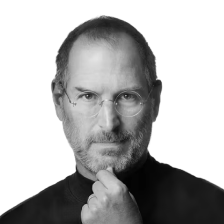
Steve Jobs

Co-founder of Apple

narrative

What story are we telling?

Narrative is about connecting a product’s purpose to the user’s journey. By defining the arc from problem to solution, it brings clarity to complexity, reveals meaning behind features, and ensures every part of the experience supports the bigger picture.

Shaped by:

  • Mapping customer journeys to surface the core experience
  • Using narrative frameworks to connect the product with user needs
  • Running round-robin discussions sessions to align team goals
  • Leading cross-functional ideation to gather diverse perspectives
  • Sketching low-fi wireframes to explore flow before refining details

Style is knowing who you are, what you want to say, and not giving a damn.
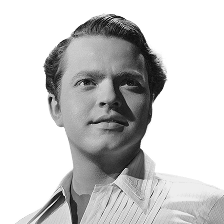
Orson Welles

Legendary filmmaker

Aesthetic

How do we show up?

Aesthetic is where a product’s personality becomes visible. It’s not just decoration, it’s expression. This is the space to be bold and define a unique identity, while making sure that identity aligns with what users expect and trust.

Shaped by:

  • Developing a visual direction rooted in the product’s character
  • Creating style guides to define tone, color, and typography
  • Building scalable design systems for consistency across platforms
  • Using visual language that reinforces the product’s narrative
  • Balancing creative expression with usability and accessibility

There is beauty when something works and it works intuitively.

Jony Ive

Former CDO at Apple

Composition

How does the story unfold?

Composition is the the rhythm of an experience — how its interactions and touchpoints guide the user through their journey. Like framing a scene in film, each moment should be purposeful and emotionally resonant, while staying aligned with the overall narrative arc.

Shaped by:

  • Using purposeful actions to keep the user moving forward
  • Connecting individual screens into one cohesive experience
  • Designing UX flows that map the user’s path through the product
  • Prototyping interactions to explore timing, transitions, and usability
  • Running user tests to validate comprehension and engagement

Let’s connect

Open to new opportunities, collaborations, and conversations.

Connect on LinkedIn

method

Design is Storytelling

Before I designed products, I studied film — learning to balance creative and commercial goals, while still delivering an impactful experience. That discipline stayed with me and shaped how I think about design.

Every product needs a story to inform strategy, guide decisions, and help build an experience that truly resonates. This method helps me find it, shape it, and bring it to life through design.

Character

Audience

Narrative

Aesthetic

Composition

If you want to understand how a lion hunts, don’t go to the zoo. Go to the jungle.

Jim Stengel

Former CMO at P&G

Audience

Who are we speaking to?

Every great story starts with knowing its audience. Understanding the people a product is made for — their goals, motivations, and challenges — creates the foundation for meaningful design. Not just as “users,” but as real humans with stories of their own.

Shaped by:

  • Conducting interviews to surface rich, qualitative insights
  • Gathering quantitative data to validate patterns and opportunities
  • Creating customer personas grounded in real-world behaviour
  • Building empathy maps from user mindsets and emotions
  • Distinguishing customer’s wants from their needs

Your brand is what other people say about you when you’re not in the room.

Jeff Bezos

Founder of Amazon

Character

Who are we?

Products are characters in their users’ stories. They need a clear identity, a purpose, and a point of view. Shaping a product’s voice and role in the user’s journey ensures that every decision reflects what the product stands for, how it behaves, and why it matters.

Shaped by:

  • Defining the product’s identity and personality traits
  • Conducting workshops to define product purpose and mission
  • Crafting value propositions that match design with real user benefit
  • Aligning product positioning with user needs and market context
  • Creating product copy frameworks and tone of voice guides

The most powerful person in the world is the storyteller.

Steve Jobs

Co-founder of Apple

narrative

What story are we telling?

Narrative is about connecting a product’s purpose to the user’s journey. By defining the arc from problem to solution, it brings clarity to complexity, reveals meaning behind features, and ensures every part of the experience supports the bigger picture.

Shaped by:

  • Mapping customer journeys to surface the core experience
  • Using narrative frameworks to connect the product with user needs
  • Running round-robin discussions sessions to align team goals
  • Leading cross-functional ideation to gather diverse perspectives
  • Sketching low-fi wireframes to explore flow before refining details

Style is knowing who you are, what you want to say, and not giving a damn.

Orson Welles

Legendary filmmaker

Aesthetic

How do we show up?

Aesthetic is where a product’s personality becomes visible. It’s not just decoration, it’s expression. This is the space to be bold and define a unique identity, while making sure that identity aligns with what users expect and trust.

Shaped by:

  • Developing a visual direction rooted in the product’s character
  • Creating style guides to define tone, color, and typography
  • Building scalable design systems for consistency across platforms
  • Using visual language that reinforces the product’s narrative
  • Balancing creative expression with usability and accessibility

There is beauty when something works and it works intuitively.

Jony Ive

Former CDO at Apple

Composition

How does the story unfold?

Composition is the the rhythm of an experience — how its interactions and touchpoints guide the user through their journey. Like framing a scene in film, each moment should be purposeful and emotionally resonant, while staying aligned with the overall narrative arc.

Shaped by:

  • Using purposeful actions to keep the user moving forward
  • Connecting individual screens into one cohesive experience
  • Designing UX flows that map the user’s path through the product
  • Prototyping interactions to explore timing, transitions, and usability
  • Running user tests to validate comprehension and engagement

Let’s connect

Open to new opportunities, collaborations, and conversations.

Connect on LinkedIn

method

Design is Storytelling

Before I designed products, I studied film — learning to balance creative and commercial goals, while still delivering an impactful experience. That discipline stayed with me and shaped how I think about design.

Every product needs a story to inform strategy, guide decisions, and help build an experience that truly resonates. This method helps me find it, shape it, and bring it to life through design.

Audience

Character

Narrative

Aesthetic

Composition

Audience

If you want to understand how a lion hunts, don’t go to the zoo. Go to the jungle.

Jim Stengel

Former CMO at P&G

Who are we speaking to?

Every great story starts with knowing its audience. Understanding the people a product is made for — their goals, motivations, and challenges — creates the foundation for meaningful design. Not just as “users,” but as real humans with stories of their own.

Shaped by:

  • Conducting interviews to surface rich, qualitative insights
  • Gathering quantitative data to validate patterns and opportunities
  • Creating customer personas grounded in real-world behaviour
  • Building empathy maps from user mindsets and emotions
  • Distinguishing customer’s wants from their needs

Character

Your brand is what other people say about you when you’re not in the room.

Jeff Bezos

Founder of Amazon

Who are we?

Products are characters in their users’ stories. They need a clear identity, a purpose, and a point of view. Shaping a product’s voice and role in the user’s journey ensures that every decision reflects what the product stands for, how it behaves, and why it matters.

Shaped by:

  • Defining the product’s identity and personality traits
  • Conducting workshops to define product purpose and mission
  • Crafting value propositions that match design with real user benefit
  • Aligning product positioning with user needs and market context
  • Creating product copy frameworks and tone of voice guides

Narrative

The most powerful person in the world is the storyteller.

Steve Jobs

Co-founder of Apple

What story are we telling?

Narrative is about connecting a product’s purpose to the user’s journey. By defining the arc from problem to solution, it brings clarity to complexity, reveals meaning behind features, and ensures every part of the experience supports the bigger picture.

Shaped by:

  • Mapping customer journeys to surface the core experience
  • Using narrative frameworks to connect the product with user needs
  • Running round-robin discussions sessions to align team goals
  • Leading cross-functional ideation to gather diverse perspectives
  • Sketching low-fi wireframes to explore flow before refining details

Aesthetic

Style is knowing who you are, what you want to say, and not giving a damn.

Orson Welles

Legendary filmmaker

How do we show up?

Aesthetic is where a product’s personality becomes visible. It’s not just decoration, it’s expression. This is the space to be bold and define a unique identity, while making sure that identity aligns with what users expect and trust.

Shaped by:

  • Developing a visual direction rooted in the product’s character
  • Creating style guides to define tone, color, and typography
  • Building scalable design systems for consistency across platforms
  • Using visual language that reinforces the product’s narrative
  • Balancing creative expression with usability and accessibility

Composition

There is beauty when something works and it works intuitively.

Jony Ive

Former CDO at Apple

How does the story unfold?

Composition is the the rhythm of an experience — how its interactions and touchpoints guide the user through their journey. Like framing a scene in film, each moment should be purposeful and emotionally resonant, while staying aligned with the overall narrative arc.

Shaped by:

  • Using purposeful actions to keep the user moving forward
  • Connecting individual screens into one cohesive experience
  • Designing UX flows that map the user’s path through the product
  • Prototyping interactions to explore timing, transitions, and usability
  • Running user tests to validate comprehension and engagement

Let’s connect

Open to new opportunities, collaborations, and conversations.

Connect on LinkedIn